ADHD Was Not Invented by My Phone
Channel 4’s The Great ADHD Myth? raises questions worth discussing. But questioning whether ADHD itself is real risks putting people with lived experience back on trial.
I watched Channel 4’s The Great ADHD Myth? with an uncomfortable familiarity.
The programme asks whether ADHD is a genuine neurodevelopmental condition or a social construct. Its publicity asks whether children should be given “mind-altering drugs”, talks about diagnoses being “demanded and dispensed”, and asks whether modern life, phones, food and school are the real explanation for the difficulties people experience.
There is a conversation to be had about all of that.
Assessment standards matter. Waiting lists matter. Private providers matter. Medication should be prescribed carefully, reviewed properly and never presented as the only answer. Schools, workplaces and public services could also be far more flexible for people who struggle with attention, organisation, sensory overload and executive function.
But there is a huge difference between asking whether support systems are working and asking whether ADHD itself is real.
This is not a new problem
For people like me, that question does not land as an interesting intellectual debate. It lands as another version of the same accusation we have heard all our lives.

Maybe you are lazy.
Maybe you are not trying hard enough.
Maybe you just need more discipline.
Maybe you are making excuses.
I had difficulties long before social media, online self-diagnosis or the current discussion around private ADHD assessments. At school, I struggled desperately to concentrate, focus and stay on task. I was called a daydreamer. I was called lazy. I repeated tasks with one on one support at times.
Nobody joined those dots. Nobody said, “This child is struggling. Let’s work out why.”
Instead, every difficulty was treated as a character flaw. The message was that I could do it if I really wanted to, and that my failure to do it consistently meant there was something wrong with me as a person.
That is a very heavy thing to carry for decades.
A diagnosis did not create my difficulties
My ADHD diagnosis did not create those experiences. It did not hand me a fashionable new identity or give me permission to opt out of life. It gave me an explanation for a pattern that had already shaped my education, confidence, relationships and view of myself.

It gave me a way to understand why some apparently simple tasks can take such a ridiculous amount of effort. Why I can care deeply about something and still struggle to begin it. Why paperwork, appointments, forms, phone calls and deadlines can become a wall rather than a list of jobs to get through.
And it gave me a starting point for unpicking a lifetime of shame.
Nearly a year on from diagnosis, that work is still happening. You do not spend decades believing you are fundamentally lazy, careless or useless, then undo it because somebody finally gives the experience a name.
The systems that are supposed to help
The irony is that many of the systems meant to help disabled people are especially difficult to navigate when you have ADHD. Long forms. Deadlines. Evidence requests. Complex rules. Phone queues. Appointments that require planning, travel and remembering. A process that assumes you can organise a case for support is often the very thing that exposes how much support you need.
That is why this debate matters.
We absolutely should ask whether children are getting the right help. We should ask why so many people have been missed until adulthood. We should question services that leave people waiting for years. We should talk honestly about medication, access, cost, safeguarding and the way modern life can make attention harder for everybody.
We should not have to prove it all over again
But we should not turn the existence of ADHD into a courtroom drama in which people with lived experience are expected to prove themselves all over again.
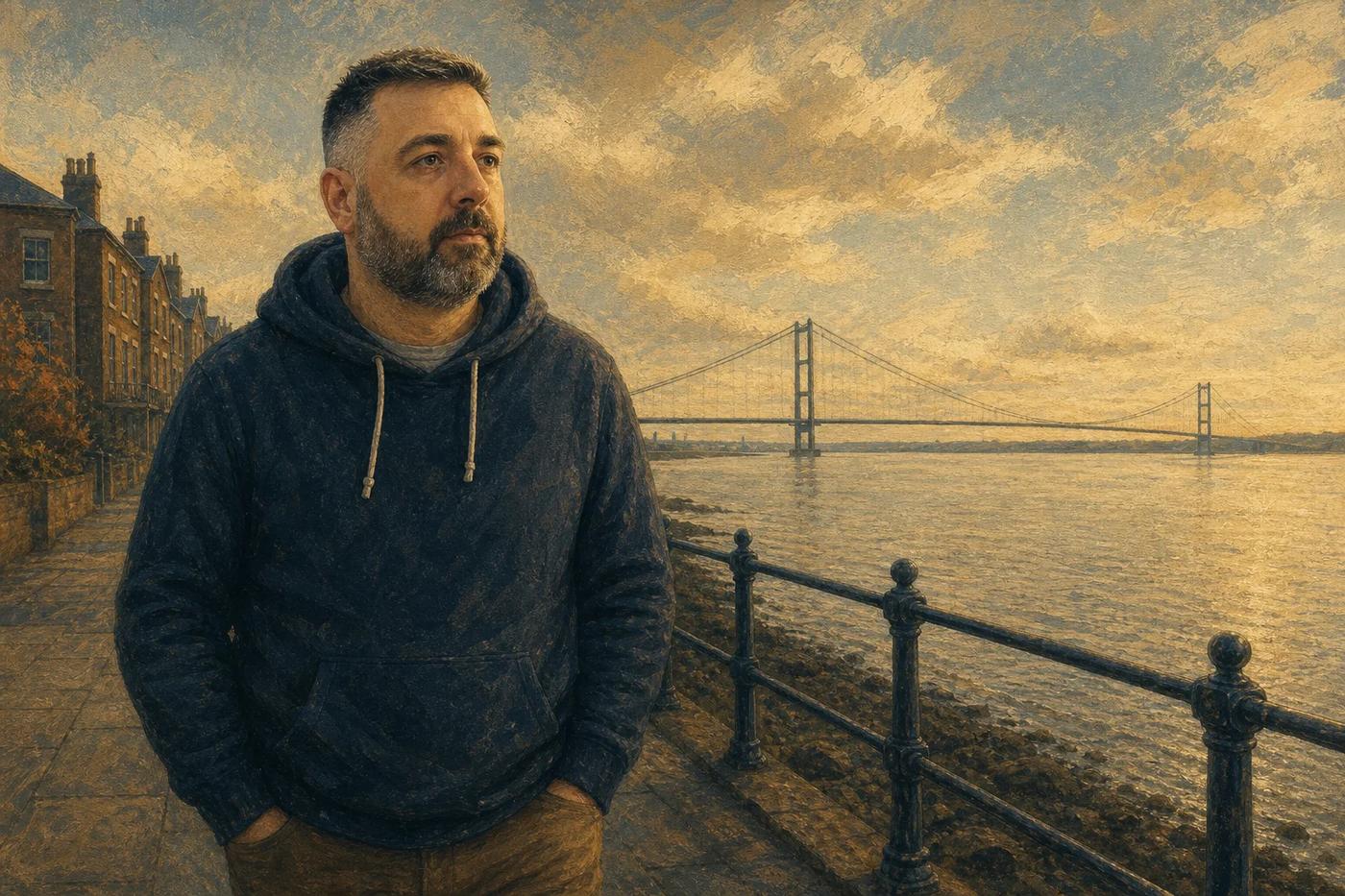
For me, the most important part of diagnosis was not a label. It was relief.
Relief that there was a reason I had found things so hard.
Relief that I was not simply lazy.
Relief that the child called a daydreamer, the adult who struggled to keep on top of ordinary life, and the person still trying to navigate systems that were never designed with ADHD in mind, were not failures.
They were struggling. And they deserved help.
Channel 4 is entitled to make a programme that asks difficult questions. But difficult questions need to be asked with care, accuracy and an understanding of who pays the price when the answer is framed as doubt.
Because for many of us, ADHD was never a myth.
It was the explanation we waited far too long to find.